



How to Choose Them Well
In an exceptional steakhouse, the experience does not begin with the first bite.
It begins with the first sip.
An aperitif is not a simple prelude. It structures the appetite, sharpens the senses, and prepares the palate to welcome the richness of a Prime cut, the precision of a filet mignon, or the grandeur of a Tomahawk meant to be shared.
Understanding this role profoundly changes the way one approaches the table.
Why the Aperitif Stimulates the Appetite
Subtle bitterness and controlled acidity stimulate salivation and activate digestive mechanisms. This tension on the palate refines the perception of salt, fat, and grilled aromas.
That is why great gastronomic traditions favor dry vermouths, lightly bitter cocktails, and low-sugar sparkling wines to open a meal.
By contrast, a cocktail dominated by sugar overly rounds the palate and dulls the aromatic precision of an aged steak. It is therefore best avoided. Choose instead a dry aperitif — one that acts as a true enhancer.
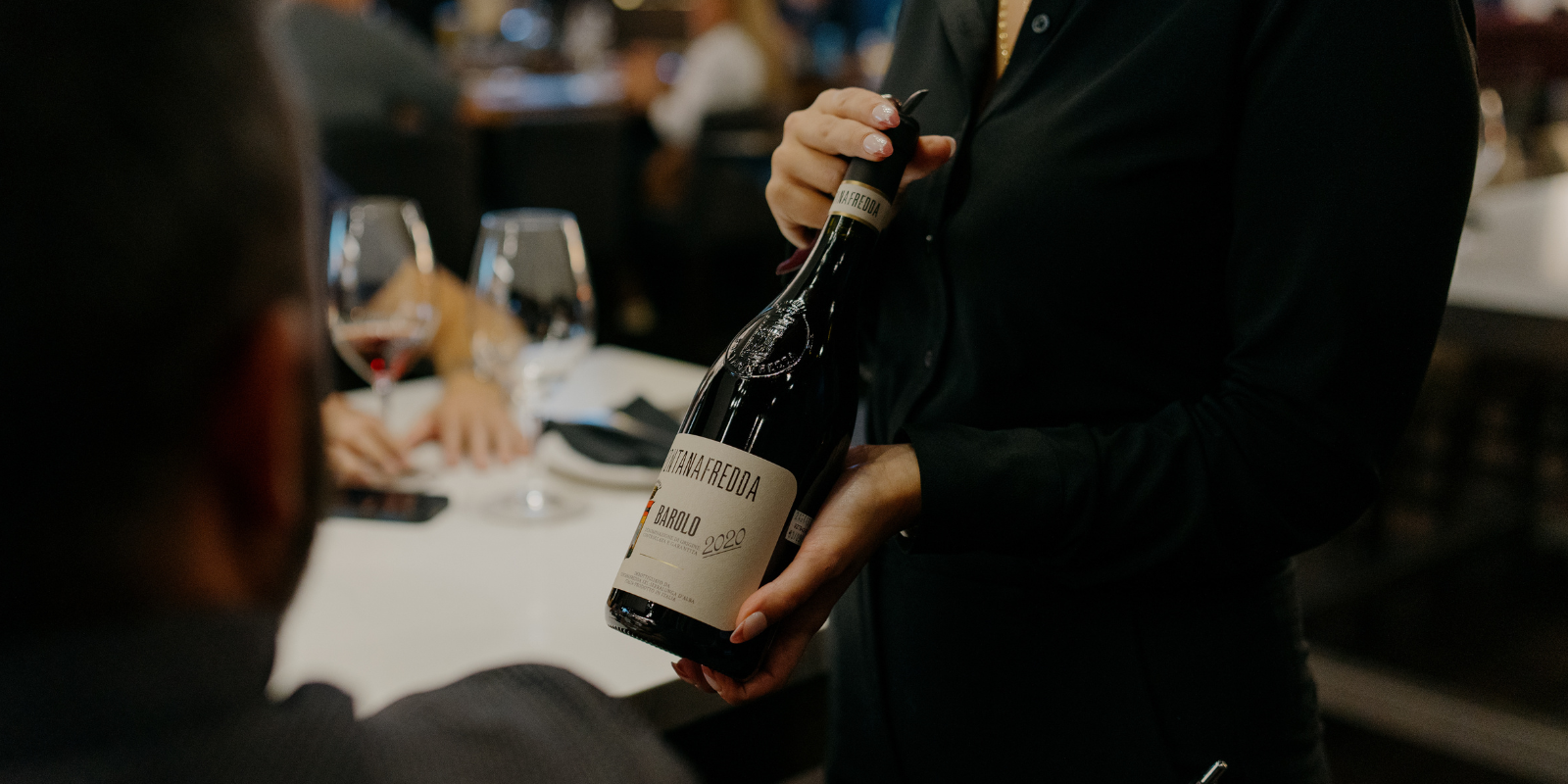
White, Red, and Sparkling Wines: Striking the First Note
Even before cocktails, wine often sets the most accurate tone.
A linear, mineral white creates space. It brings clarity, extends perception, and establishes a neutral canvas upon which flavors can later unfold with greater amplitude. It does not seek to dominate — it prepares the ground.
Sparkling wines add a festive yet precise dimension. Effervescence animates the palate, sets aromas in motion, and gives the beginning of the meal a sense of controlled momentum. It is a luminous, structured, elegant introduction.
Red wine introduces depth from the outset. Served slightly chilled and selected for balance rather than power, it subtly initiates the dialogue with the meat to come. It signals what follows without revealing it entirely.
Choosing wine at the start means choosing the trajectory of the meal.
Our Recommendation
To set the tone from the very first sip: a mineral-driven white or a brut sparkling wine. Their freshness structures the appetite and subtly prepares the depth to come.
If the grilled cut is already on your mind, a red with fine tannins, served slightly chilled, can begin the sequence with elegance.
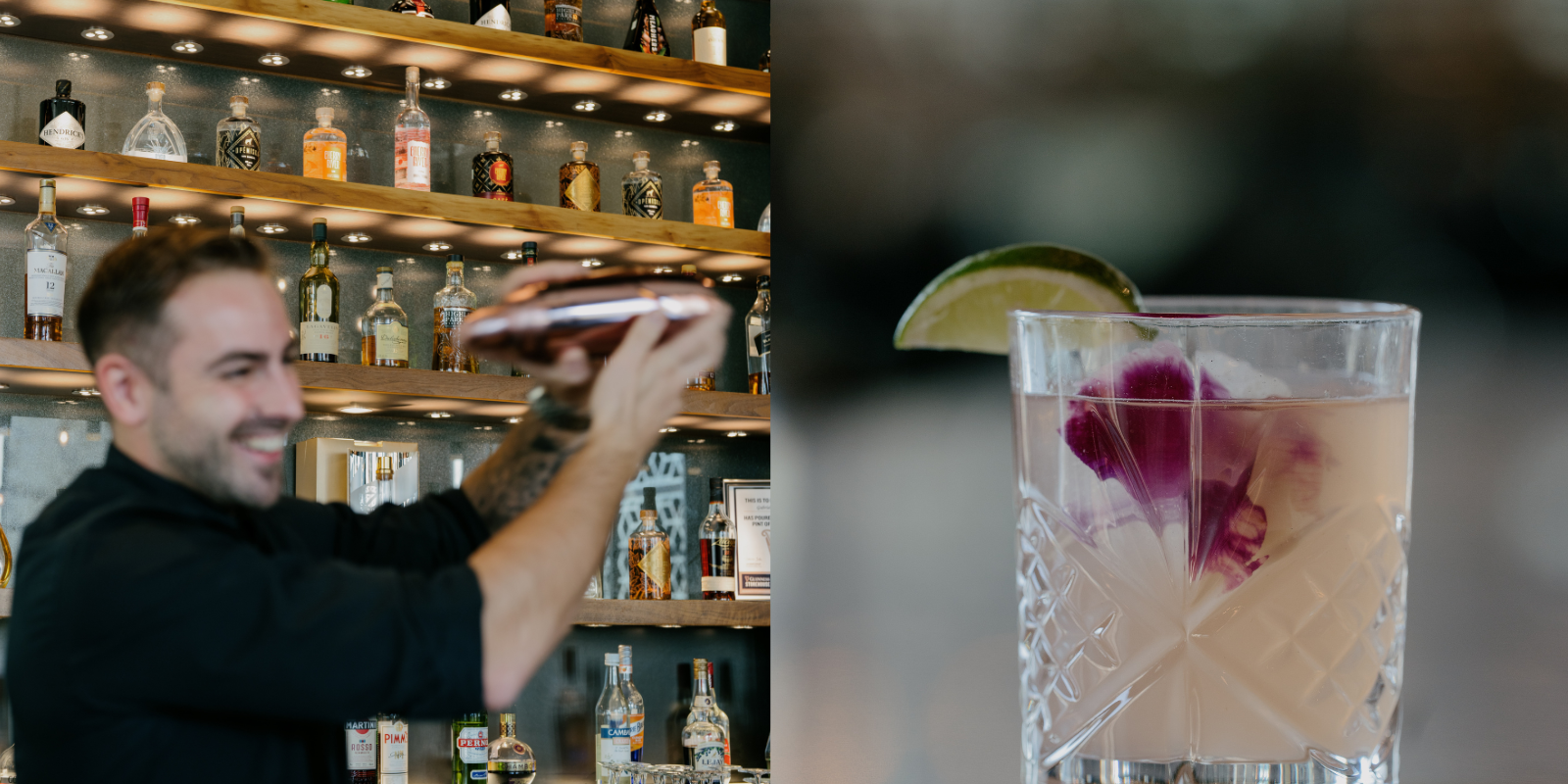
Cocktails: Which Direction to Take?
Brininess demands clarity.
The crystalline tension of a Dry Martini, the controlled vibrancy of a Paloma, or the precision of a citrus-forward cocktail does not overpower the sea — it magnifies its saline freshness, sculpting every nuance. A Martini, a Paloma, or a citrus cocktail works because acidity amplifies saline freshness.
The objective: precision, clarity, a dry finish.
Before a Tartare or Carpaccio
Raw meat possesses a delicate, almost silky fat. It calls for tension, not softness.
A controlled bitterness — that of a perfectly calibrated Old Fashioned or a well-structured cocktail — creates a subtle contrast that sharpens texture and refines the finish. The alcohol does not dominate; it frames.
This balance naturally prepares the transition toward a more substantial cut.
Before a Grilled Steak
Open-flame cooking develops smoky, grilled, sometimes lightly nutty notes. The palate must be ready to receive that depth.
An aperitif that is too light disappears.
One that is too sweet weighs the experience down.
Structure is essential: a whisky with clean contours, a cocktail with woody accents, or a red wine with a true backbone. The more generous the cut — Prime ribeye, New York strip, Tomahawk — the more the glass must assert its presence without overpowering the meat.
Pairing is not a question of power, but of balance.
The Art of Progression
A successful gastronomic dinner follows a controlled rhythm: a dry opening, a wine aligned with the chosen cut, a balanced dessert, and a confident finale.
This progression prevents saturation and preserves flavor precision. Without an aperitif, a meal can feel abrupt. With one, the experience unfolds gradually, gaining depth with each course.
The Digestif: More Than Tradition
A digestif does not replace digestion. It prolongs the aromatic experience.
Aged spirits — cognac, 12-year Scotch — resonate because their woody and spicy notes subtly echo the aromas developed by cooking over fire. They create continuity, a final echo that gives the meal a coherent conclusion.
And Coffee?
Coffee may be the most discreet digestif — and one of the most effective.
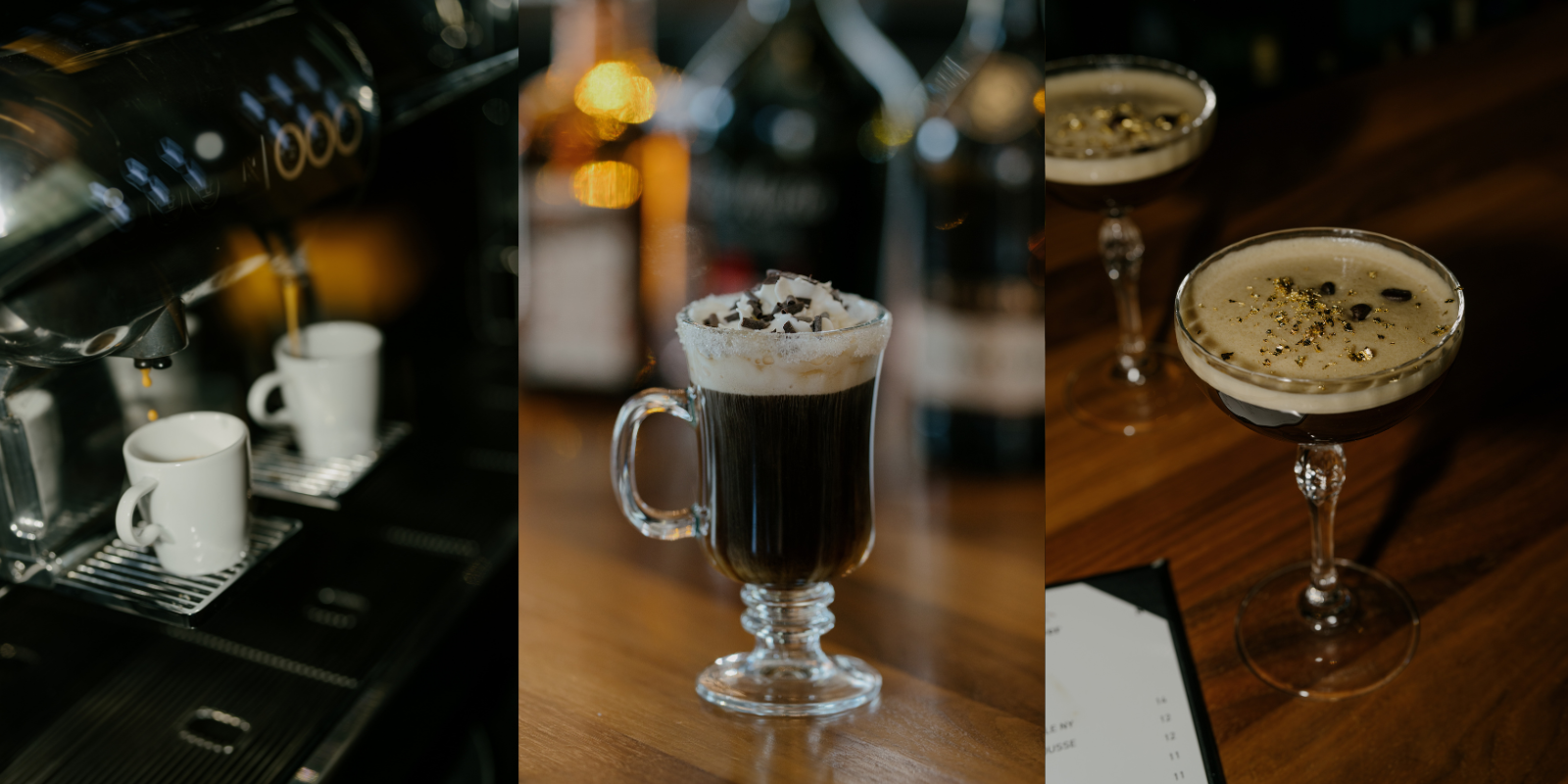
Its bitterness cleanses the palate after the sweetness of dessert. Its warmth recenters the aromas. Its gentle stimulation restores clarity after a rich meal.
An espresso after steak and a chocolate dessert acts as a sensory reset. Try one of our dessert coffees to finish beautifully. The Espresso Martini, meanwhile, fuses coffee and spirits to offer a modern transition between dessert and a remarkable finale.
The Essentials
Seafood: tension and freshness.
Raw meat: controlled bitterness.
Grilled steak: structure and depth.
Chocolate: coffee or a great aged spirit.
From that moment on, one no longer chooses a drink at random.
One composes an experience.
At Boefish, the plate is crafted with precision.
The beverages deserve the same standard.